What to do when your car slides on ice or floods out
Memphis ice storms glaze bridges and roads fast, and the Mississippi's flood history makes high water a real seasonal risk. First step: stop making it worse.
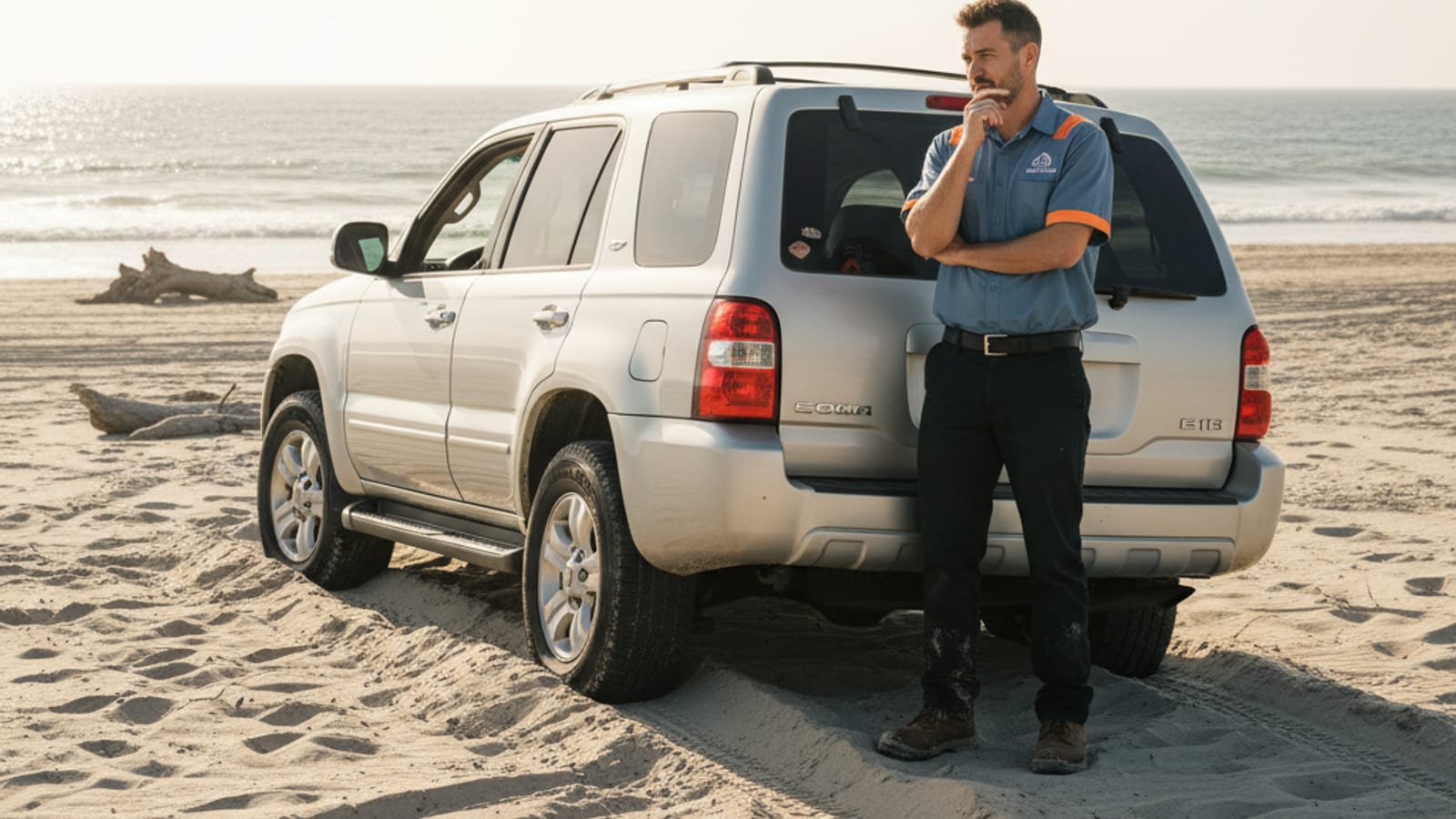
What you'll learn
- Why spinning the wheels on ice or in water digs you in deeper, fast
- Why you should never try to restart a car that stalled in standing water
- Why bridges and overpasses ice over before flat residential streets do
- Why Frayser's low-lying streets flood fast, bounded by the Wolf, Mississippi, and Loosahatchie rivers on three sides
- When to stop trying and call a winch-out
Step by step
- Stop spinning the wheels immediately, on ice or in standing water. Every few seconds of spin sinks or slides you further.
- Check that no one is hurt and the vehicle is not unstable before doing anything else.
- If the car stalled in standing water, do not try to restart it. Cranking a flooded engine can cause catastrophic damage.
- On ice, straighten the wheel and ease off the gas. Do not fight a slide with hard steering or braking.
- If it is safe to do so, clear mud, ice, or debris away from the front and back of each drive wheel.
- Slide traction mats, cardboard, kitty litter, or floor mats under the drive wheels for an icy or soft-shoulder situation.
- If it does not move after 2 careful tries, stop. Call for a winch-out.
Memphis's reference-point ice storm hit February 3, 2022, coating the metro in ice and cutting power to more than 233,000 MLGW customers, nearly 30% of the utility's base, with restoration not complete until February 14. A second storm hit December 22-24, 2022, affecting roughly 226,000-240,000 customers. Ice, not snow, is the region's dominant winter risk, and it hits bridges and overpasses first. On the flood side, the Mississippi River crested at Memphis at 48 feet 3 inches on May 11, 2011, the second-highest level on record, driven by heavy spring rainfall and snowmelt across the Ohio and Mississippi valleys. Frayser, bounded by the Wolf, Mississippi, and Loosahatchie rivers on three sides, is the metro's most consistently flood-prone residential district. A winch-out is far cheaper than a hydrolocked engine or a slide into a guardrail. The trucks we dispatch carry recovery mats and winch rigs.
Why Memphis gets both problems
Memphis sits in a humid subtropical climate with a real winter ice risk and a long, hot, storm-heavy summer, and both extremes strand vehicles for different reasons. Winter here means ice, not snow, February 2022 and December 2022 both knocked out power to well over 200,000 MLGW customers apiece. Summer brings months of 90-plus-degree heat that degrades batteries and tires over a season, not a single event, plus the seasonal risk of heavy rain filling the Mississippi and its tributaries fast.
Where ice hits first
Memphis is flat river-bluff and Delta terrain, not hill country, so the ice risk isn't about steep grades. It's about bridges and overpasses: the Hernando de Soto Bridge (I-40) and the Memphis & Arkansas Bridge (I-55), along with I-240's interchange overpasses, lose heat from both above and below and glaze over before flat residential streets do, even when the ground-level roads nearby still look clear. Untreated secondary streets in older districts freeze next, and stay icy longest where they get little direct winter sun.
The city's chronic flood point: Frayser
Frayser sits bounded on three sides by water, the Wolf River to the south, the Mississippi River to the west, and the Loosahatchie River to the north, which means its low-lying streets flood fast in heavy rain. Memphis's highest-profile flood event in modern history is a river flood, not a flash flood, and should be labeled that way: the Mississippi River crested at Memphis at 48 feet 3 inches on May 11, 2011, 14 feet above flood stage and the second-highest level on record behind only the 1937 flood. That crest was driven by sustained heavy rainfall across the Ohio and Mississippi valleys combined with spring snowmelt, a slow-building river event, not a sudden downpour. Beyond that documented river flood, Mid-South flash flooding and river flooding both occur seasonally tied to winter and spring rain and tropical-storm remnants filling the river basins quickly, a real recurring risk in low-lying stretches even without a single named event behind it.
Never restart a car that stalled in standing water
If your engine died while you were driving through water, do not turn the key again. An engine draws air in through the intake, and if the intake is sitting below the waterline, cranking the starter pulls water into a cylinder instead of air. Water does not compress the way an air-fuel mixture does, so when the piston comes up to compress it, something has to give, usually a bent connecting rod or a cracked engine block. That single extra crank is often the difference between a car that needs a tow and a car that needs a new engine.
Salvage assessment or a normal tow? What decides it
How high the water got is what matters, not how deep it looked from the driver's seat. If water reached the door sills, the floorboards, or higher, treat this as a flood-damage assessment, not a routine breakdown, get the vehicle to a shop or your insurer's preferred facility for inspection before anyone tries to start it, and let them check the engine, transmission fluid, and electrical system before you spend a dollar on repairs. If the water only came up around the tires and the engine never took a breath of it, this is usually a normal stuck-vehicle recovery and tow, nothing more. A vehicle that slid on ice into a curb or guardrail should get the same suspension and alignment check before it goes back on the road.
The reference-point ice storm vs. an ordinary cold snap
The metro's benchmark winter event is the February 3, 2022 ice storm: more than 233,000 MLGW customers lost power, roughly 120,000 were still out the following Friday morning, and out-of-state crews from Oklahoma, Virginia, Tennessee, and Illinois had to be brought in before MLGW reported full restoration on February 14. A second storm hit December 22-24, 2022, affecting roughly 226,000-240,000 customers. Most winters, the damage isn't one big storm, it's a hard freeze catching an aging battery, or a bridge deck icing over before anyone expects it.
Why we flatbed an ice- or flood-affected vehicle
A vehicle that slid on ice or sat in standing water, even briefly, may have compromised brakes, a soaked electrical harness, bent suspension, or damage in places you can't see from outside. We default to flatbed for any ice or flood recovery rather than wheel-lift, so nothing drags, nothing spins, and nothing gets asked of a drivetrain that might already be damaged.
Rather have a pro handle it?
Towing and roadside service across the Memphis metro. One local line, taking calls 24/7.
Keep learning.
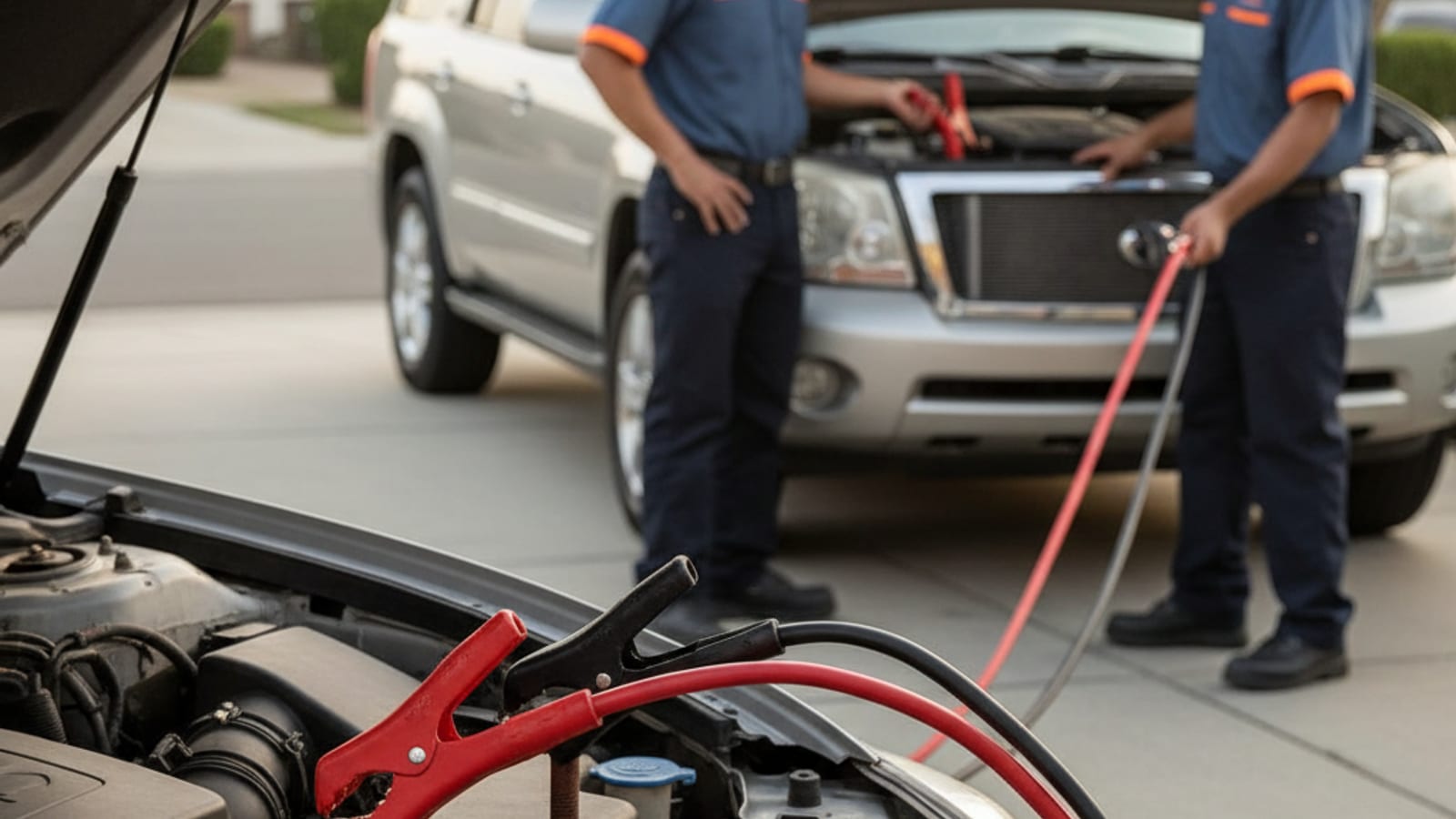
Jump-start a dead battery safely
Jumper cables are simple until you hook them wrong. Do it right and you'll avoid sparks, ruined electronics, and a tow you didn't need.
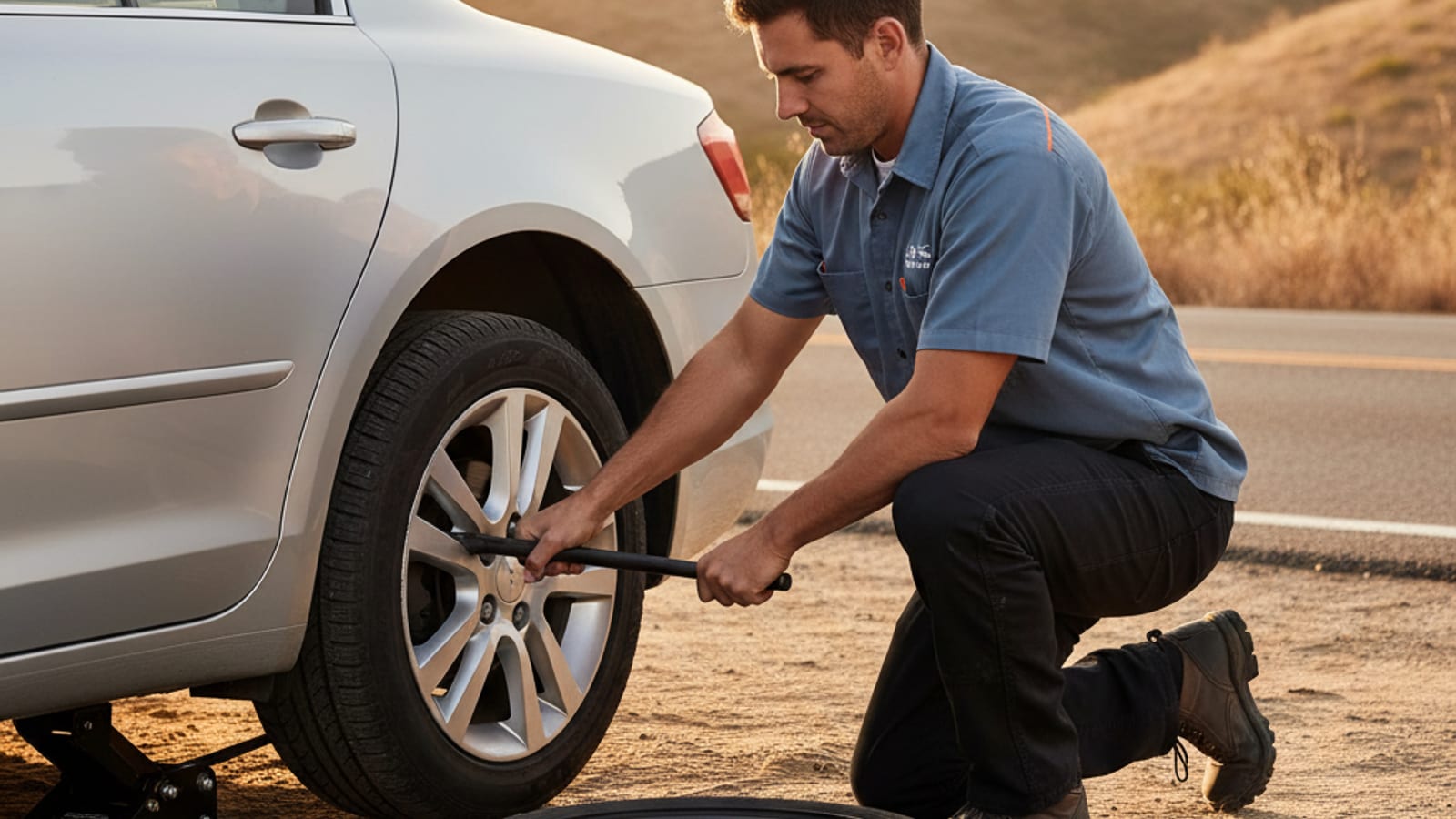
Change a flat tire on the side of the road
The difference between a 20-minute shoulder stop and an hour on the phone with a tow company is knowing where the spare and jack live before you need them.
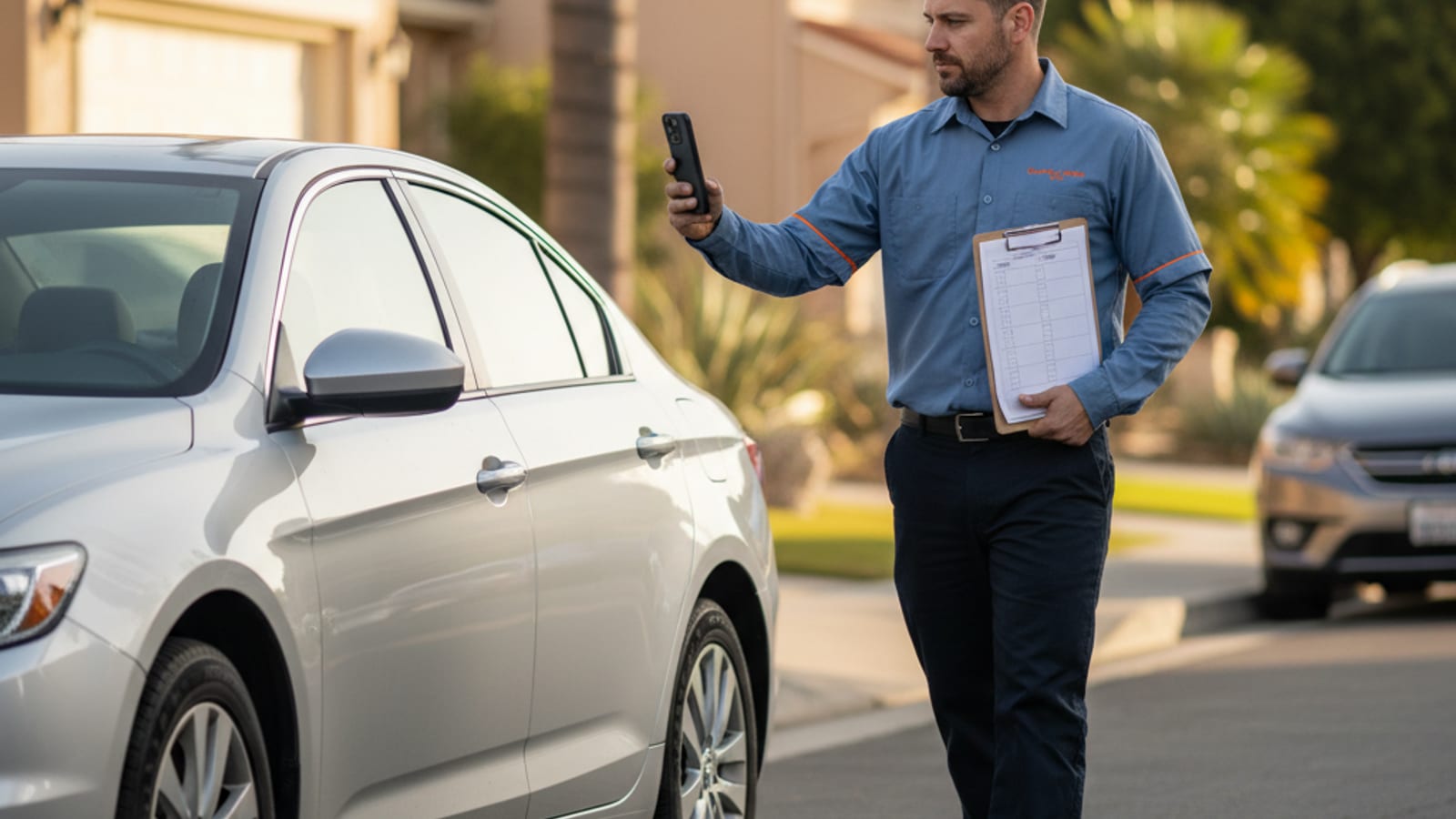
Prepare your vehicle for a tow
A few minutes of prep before the tow truck arrives saves time, avoids damage, and makes the whole call go faster.